

OUR THINKING
A collection of insights, observations, & intrigue
from our team of CPG innovation experts.



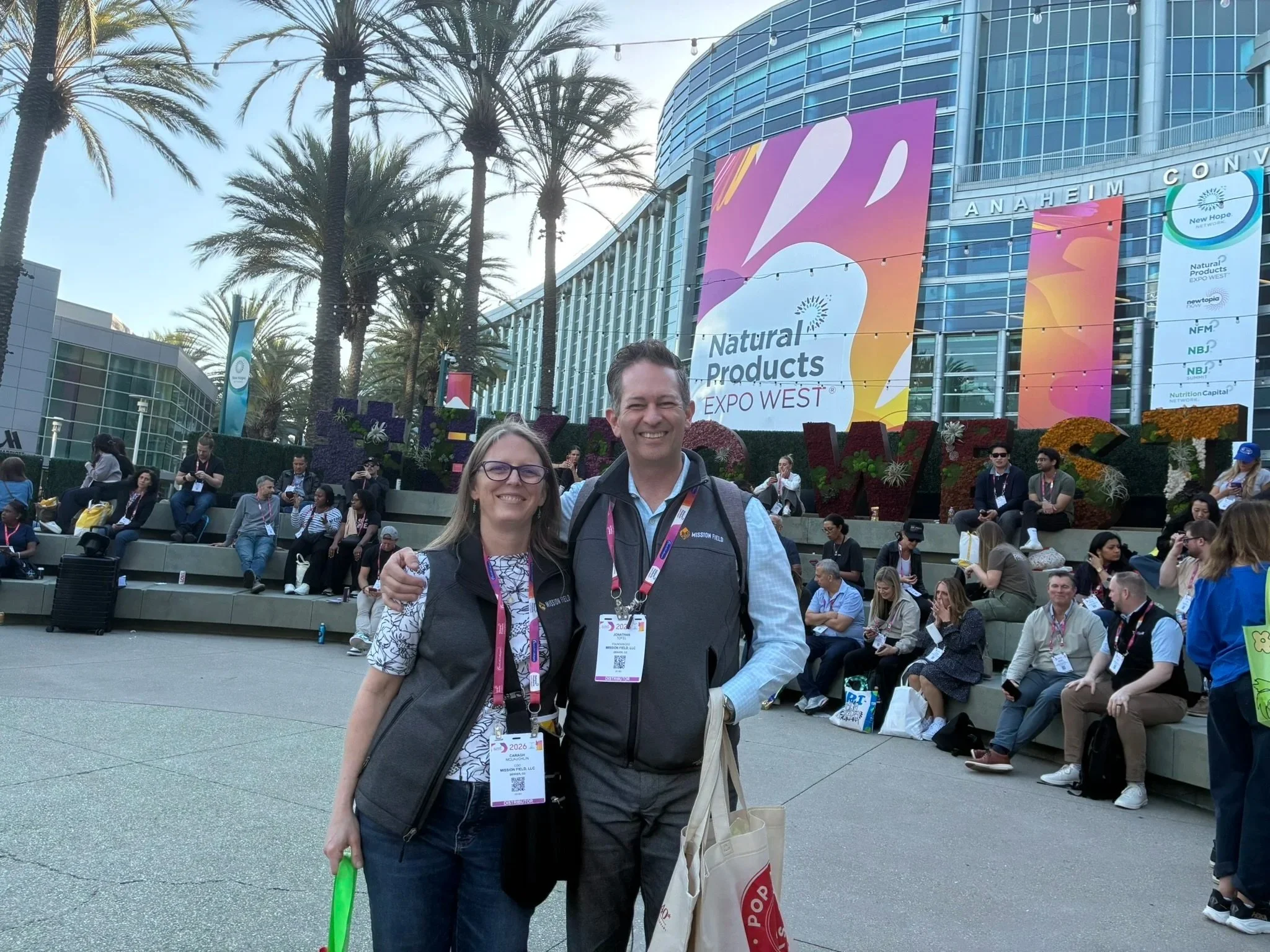
Expo West 2026 felt a little different from recent years. Instead of one dominant theme taking over the floor, the show surfaced a collection of smaller but meaningful signals. Some trends continued to build. Some expected breakouts didn’t fully arrive. And some of the biggest learnings had less to do with product innovation itself and more to do with how brands showed up, engaged, and sold








Some of the most valuable things to pay attention to never show up in survey results, virtual panels, or slide decks. You only get them in the field.

While many in the CPG space, including us, are buzzing about the potential of generative AI, don’t forget the game-changer that is Natural Language Processing (NLP) – the technology that helps us understand and analyze what consumers are telling us at scale.


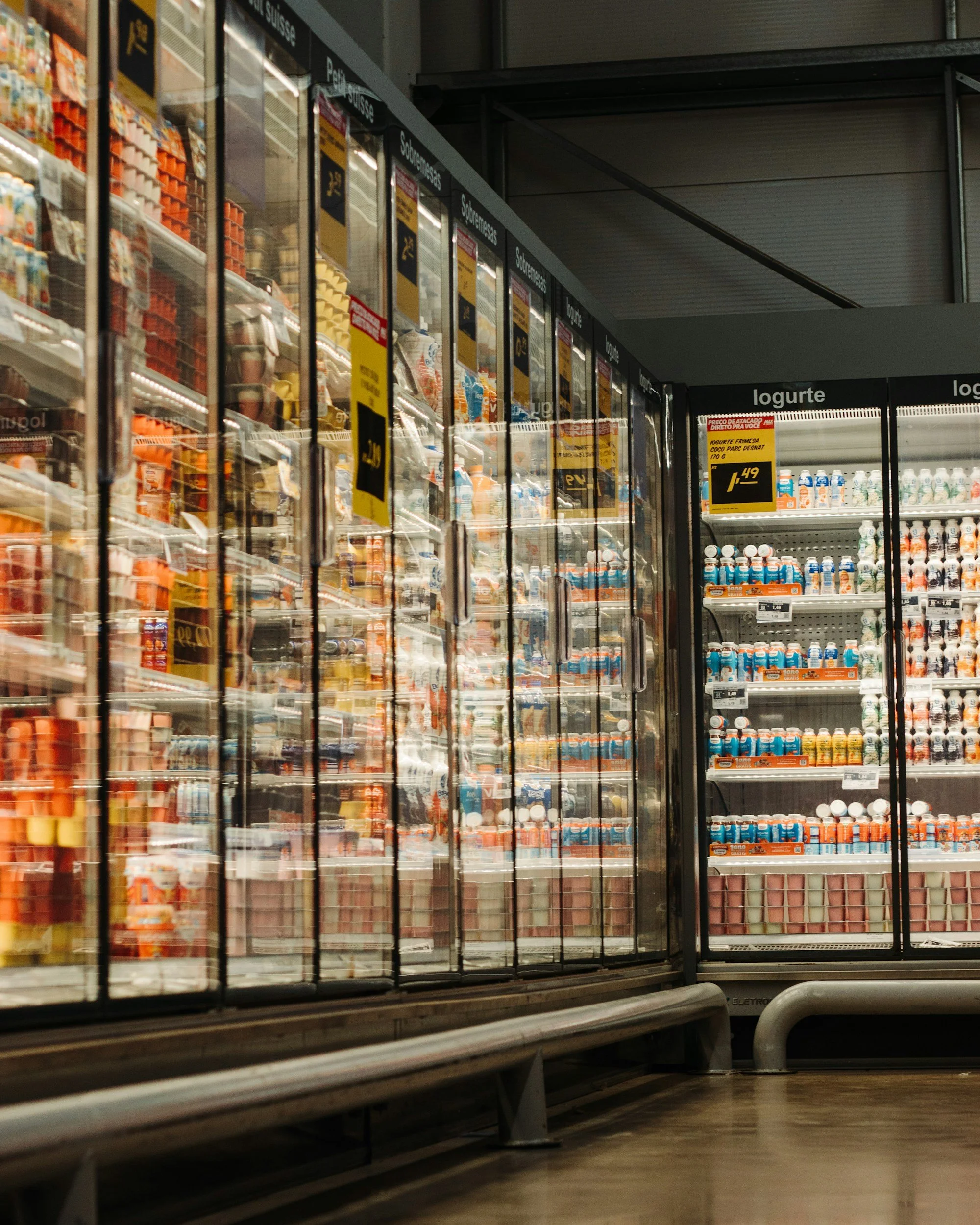


If there’s one thing I’ve learned about consumer product goods (CPG) innovation, it’s that you might be shocked at what happens when you take a product into the actual selling environment. Yet, at most companies, innovations are iterated mostly from our desktops.

In consumer product goods (CPG) innovation, it’s inevitable that some products, even the well-thought-out ones, fail. In my work, I often see that disappointing results aren’t because the product idea is bad or that testing hasn’t been rigorous. Rather, it’s that various aspects of the product have been tested in isolation. A holistic approach, on the other hand, tests all aspects of a product together, ideally in a real-world setting.

Think of the hole of the donut representing the easiest of line extensions… your core product re-executed as a new flavor, size or packaging – all of which add variety but none of which help your brand solve new consumer problems. Now think of the space past the donut as being a space that shatters current belief systems… things that go beyond a consumer’s expectation of what your brand/product stands for. Sticking too close to the core results in me-too products easily copied by competitors, while going too far can feel disingenuous.

Developing breakthrough innovation concepts is about understanding your audience deeply, recognizing patterns, and leveraging insights about their behavior. It’s about observing and understanding nuances of how consumers use products, including their habits and workarounds.

In-store tests help our clients fine-tune positioning, pricing strategies, packaging designs, and communication tactics before launch, answering questions with more accuracy than other types of testing.

By the time we get to in-store testing, a new product has often gone through multiple rounds of virtual or conceptual tests. But the grocery environment is a tough one to stand out in. You can’t know how a consumer is going to respond until you get the product on shelf.


Conducting myriad rounds of packaging-concept testing before testing an actual product with consumers at shelf might seem like a smart way to proceed. There are a couple reasons we recommend rethinking this, though: One is time. The other is money.
The fact is you don’t need 1,500 people to tell you what you and your team can assess about your packaging on the fly. Consider: Very few products fail because the packaging wasn't perfect, but a lot of great products fail because they missed their window

Here’s the thing: Consumers simply don’t notice small differences in packaging colors or formulations like you and I might. Consumers typically won't compare the minute details of a new product's packaging with its parent brand.

Startups thrive on small-scale manufacturing, which fosters flexibility and innovation. Discover how we bridge the gap for large companies by connecting them with small-scale co-manufacturing partners.

Part of our job at Mission Field is to give CPG companies the confidence to leap into new categories. Blind spots are inevitable when innovating outside of established categories. To avoid those (and the costly pitfalls that can result) and innovate with confidence, I have the remarkable job of helping facilitate a process to explore, test, and reflect on insights that will result in successes at shelf.